
Ordering contacts online usually means entering details that don’t appear anywhere on a glasses prescription, like base curve, diameter, and a specific brand. Those numbers come from measurements of your eye, not from the lenses sitting in your frames.
Glasses and contact lens prescriptions aren’t the same, and one can’t stand in for the other. That’s why a contact lens exam and fitting covers more ground than an eye exam alone.
Why Glasses and Contact Lens Prescriptions Are Different
Your glasses sit about a centimetre in front of your eyes. Contacts rest right on the surface. That gap changes how much power a lens needs to focus light where it should, so the two prescriptions can list different numbers even though nothing about your eyes has changed.
The stronger your correction, the more noticeable the gap between the two tends to be. A mild prescription might look nearly identical on both.
What’s on a Contact Lens Prescription
A contact lens prescription carries everything a supplier needs to send you the right lens:
- Base curve, which matches the lens to the curve of your cornea
- Diameter, which sets how far the lens extends across the eye
- Brand and wear schedule, whether that’s daily, bi-weekly, or monthly
- Sphere, the power correcting nearsightedness or farsightedness
- Cylinder and axis, added when you have astigmatism
Base curve and diameter affect how a lens feels after 8 hours and whether it stays centred when you blink. A lens that doesn’t match those measurements can slide off centre or start to feel tight by mid-afternoon.
Brand matters more than most people expect. Two lenses with the same power can use different materials, thicknesses, and moisture content, so swapping in a similar-sounding box isn’t the same as filling your prescription.
Can You Convert a Glasses Prescription to Contacts?
There’s no reliable way to convert one into the other at home, in either direction. Online calculators offer to do the math, but they can’t measure the curve of your cornea or check how your tear film holds up with a lens sitting on it all day.
Your glasses details still give your optometrist a useful starting point. The final contact lens prescription comes out of the fitting, after the lenses have actually been on your eyes.
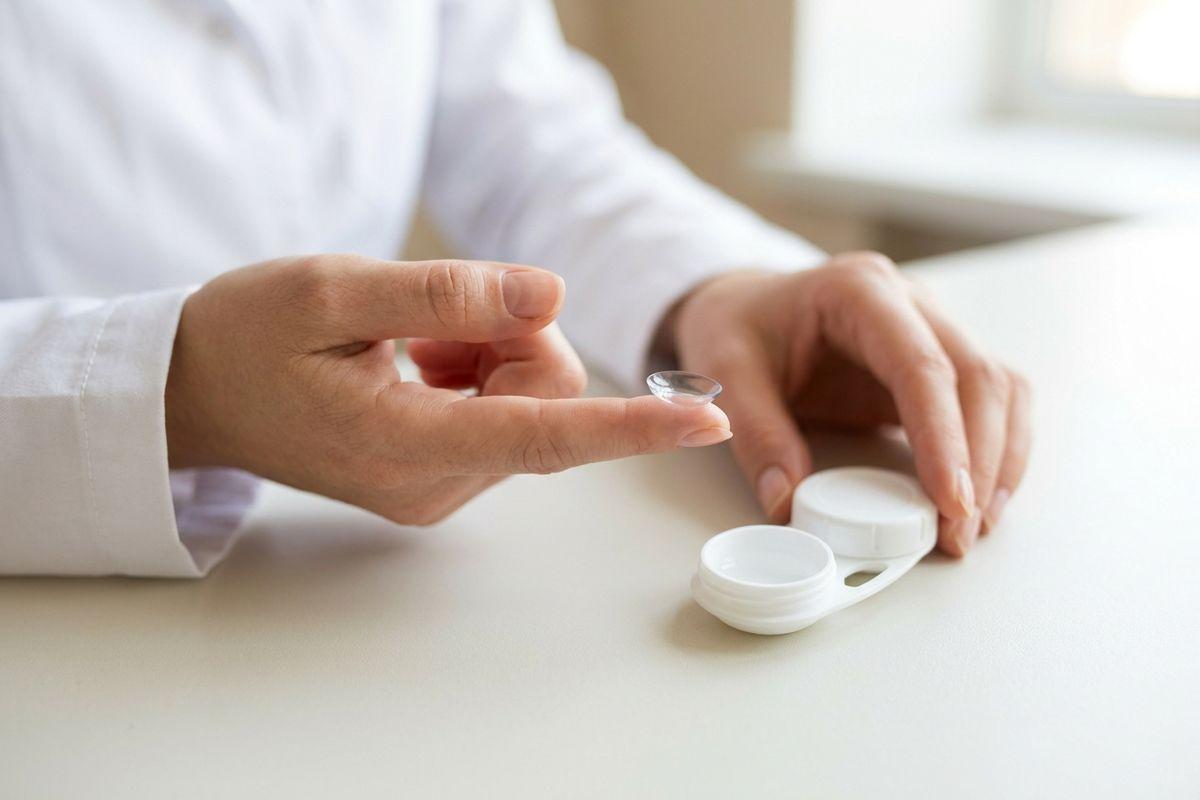
What Happens During a Contact Lens Fitting
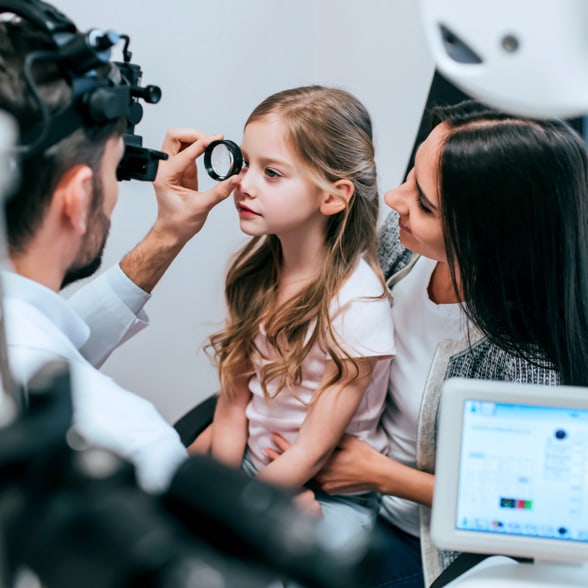
Your optometrist measures the curve of your cornea and looks closely at the surface where the lens will sit, including tear quality and the health of your eyelids. Those results narrow down which lenses are likely to suit you.
Then you try trial lenses. Wear a pair for a few minutes, and your optometrist can see how the lens sits, how it moves, and how clearly you’re seeing with it in place.
New to contacts? Ask for hands-on practice with putting lenses in and taking them out, plus how to clean and store them safely. Most people feel clumsy for the first few tries, and that usually eases within a week.
How Often to Update Your Prescription
A yearly contact lens exam helps keep everything current. The shape of your eyes and your vision can change over time, and a lens that fit comfortably last year might not feel the same today. Once your prescription is up to date, you can order contacts online for pickup.
Choosing Between Glasses and Contacts
Plenty of people use both and choose based on the day. Long stretches at a screen or a morning when your eyes feel dry can call for glasses. Contacts often make more sense for hockey, hiking, or anything where frames slide down your nose.
Having frames you like makes going back and forth much easier. And if screens leave your eyes tired by evening, digital eye strain has fixes of its own that are worth asking about.
Lens Options Worth a Look
Bring up your options at the fitting so you can compare them:
- Soft lenses for everyday wear
- Toric lenses, shaped to correct astigmatism
- Multifocal lenses that cover reading and distance in one lens
- Scleral lenses, which vault over an irregular cornea and hold fluid against it
Mention any dryness while you’re there. When dry eye makes lens wear uncomfortable, a change in material or wear schedule can make a real difference.
Book a Fitting and Get Numbers That Match Your Eyes
Schedule your eye exam and contact lens fitting together, and you can leave with a prescription that reflects both how you see and how the lenses fit. Bring your current glasses prescription along if you have it handy.
Our optometrists at Oceanside Optometry Clinic can help you match lenses to your routine, whether you want contacts for weekends, glasses for the office, or both. Book your exam and fitting today.