
Key Takeaways
- Dry eye happens when your eyes don’t have enough tears or your tears are low quality.
- Screen time, dry air, medications, and long-term contact lens wear can all play a role.
- Daily disposables, scleral lenses, and other lens types can help dry eyes feel more comfortable.
- Eye drops, simple daily habits, and good lens care can help ease dryness.
- An eye exam can help you find lenses and care suited to your eyes.
Contact Lenses Can Contribute to Dry Eye
You put in your contacts in the morning and they feel fine. By mid-afternoon, however, your eyes feel scratchy, and you’re counting the minutes until you can take your lenses out. Many of our patients Oceanside Optometry Clinic face similar challenges, and dry eye is often part of the story.
Contacts may feel less comfortable over time because of an unstable tear film, lenses that don’t fit your eye properly, or buildup on your lenses. Adopting good daily habits and looking into options like daily disposables and scleral lenses may help. A dry eye exam can help us find the right management approach for you.
What Is Dry Eye?
Dry eye happens when your eyes don’t produce enough tears, or when your tears are of low quality. Either way, your tears end up not being able to keep your eyes moist. This, in turn, causes dry eye.
Common Signs of Dry Eye
You might notice one or more of these signs:
- Your eyes burn
- Your eyes feel scratchy or gritty.
- Your eyes look red or feel itchy.
- Your eyes water more than you’d expect.
- Bright light bothers you.
- Your vision blurs or your eyes feel tired.
Watery eyes may seem like an odd sign of dryness, but it’s actually relatively common. It happens when your body tries to compensate for dryness with extra tears.
What Contributes to Dry Eye?
Long hours on screens, dry indoor air, wind, and smoke are all factors in dry eye.
Medications, hormonal changes, and some health conditions can also contribute. Contacts themselves can add to the problem, especially with long-term wear or with lenses that aren’t well suited to your eyes.
Why Do Contacts Feel Less Comfortable Over Time?
When your tear film is unstable, this can increase friction between your lenses and your eye, causing a scratchy feeling when you blink. Lenses that don’t quite fit the shape of your eye can also feel uncomfortable.
Over time, protein and debris may also build up on the surface of your lenses, and that buildup can add to irritation.
Contact Lens Options for Dry Eyes
Daily Disposable Lenses
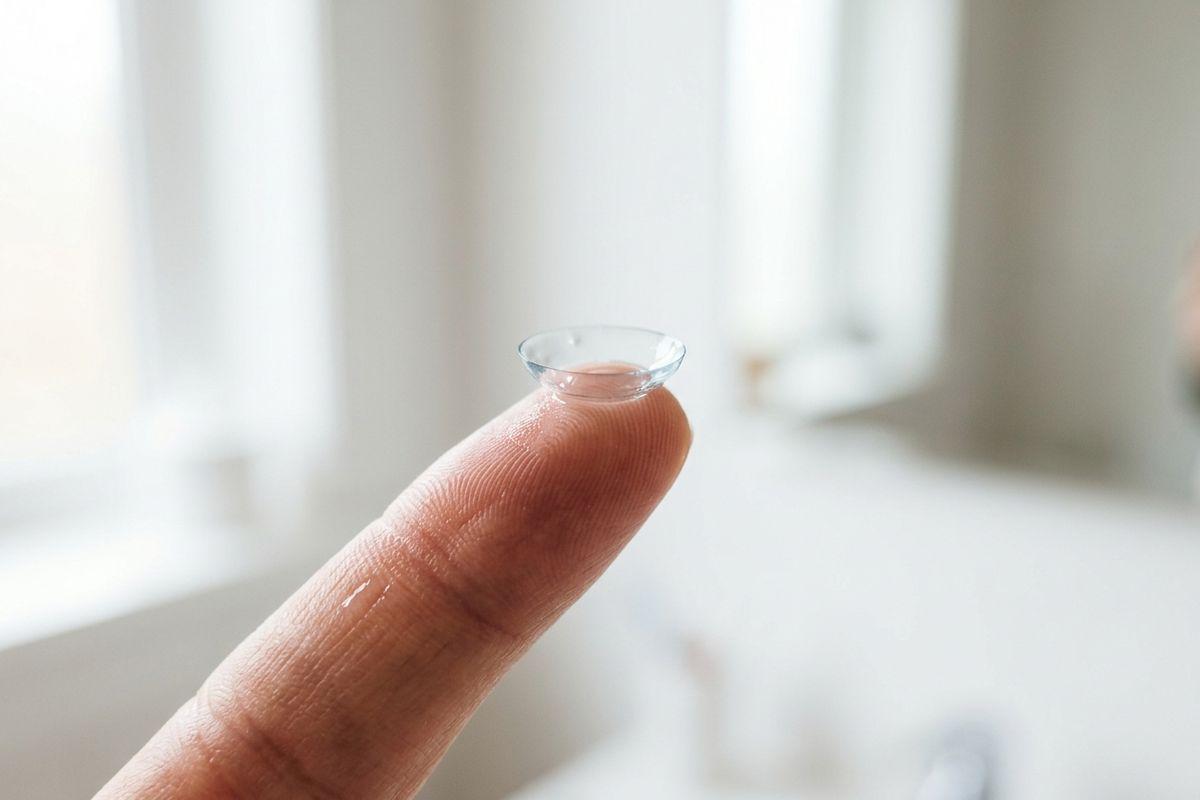
With daily disposables, you put in a fresh pair each morning and toss them at night. That means less buildup over time. Many daily lenses also include a wetting agent to help with moisture, which makes them a gentle option for sensitive, dry eyes.
Scleral Lenses
Instead of resting on your cornea, scleral lenses arch over it and rest on the whites of your eyes. The space between these lenses and your eyes is filled by a layer of fluid, which helps keep your eyes moist during the day.
Other Lens Options to Discuss
Silicone hydrogel lenses allow more oxygen flow to your eyes while gas permeable and hybrid lenses may also be a possibility, depending on your eyes and your routine.
How to Ease Dry Eyes When You Wear Contacts
A few small changes can help your contacts feel more comfortable.
Eye Drops & Ointments
Your eye doctor can recommend preservative-free drops suited to your lens type. For nighttime dryness, your eye doctor may prescribe an ointment to use at bedtime.
Daily Habits for Comfort
These everyday habits can help your eyes feel less dry:
- Drink water throughout your day.
- Run a humidifier at home, especially once the heat comes on inside during fall and winter.
- Limit your time in wind, smoke, and dry air when you can.
- Switch to glasses for screen time, TV, or long days.
Lens Care Tips
Clean your lenses with solution after each use, and replace them on the recommended schedule, even if they still feel fine to wear. Fresh, clean lenses can help keep buildup down.
When to See an Eye Doctor in Parksville & Nanaimo
If dryness or discomfort persists or gets worse, it’s a good time to book a visit with an eye doctor in Parksville and Nanaimo.
What Happens at a Dry Eye Exam
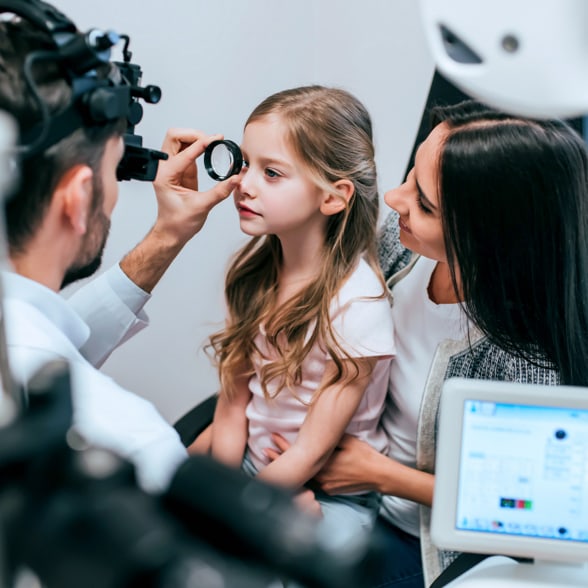
During your appointment, we’ll check the amount and quality of your tears. We’ll also ask you about your lifestyle, health, and medications. This helps your eye doctor build a plan that fits both your eyes and your lifestyle, whether you spend your days at a desk or hiking along the coast.
Contact Lens Exam & Fit
During a contact lens exam, we’ll your eyes and checks your prescription to help you get clear vision and comfort.
Book Your Eye Exam
Book an appointment with our team at Oceanside Optometry Clinic to talk about your dry eye symptoms and explore more comfortable options for lenses.